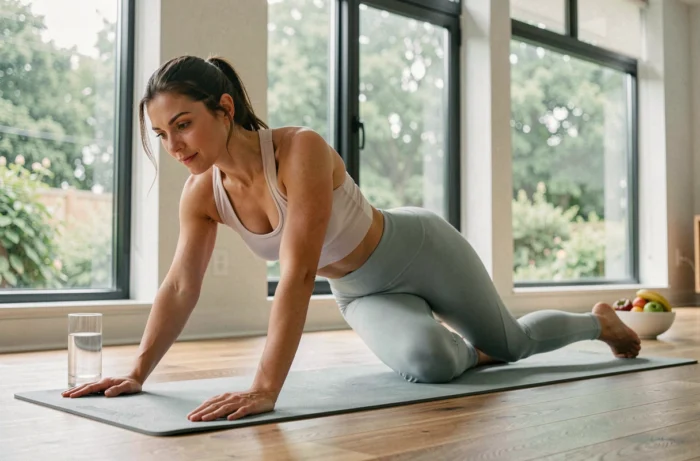
Measuring the health status of a population is not just about counting diseases. The indicators that are making the most progress in 2026 concern prevention, sleep quality, and stress management, three areas where the gaps between age groups are widening. What are the health trends and concrete levers that are really moving the curves this year?
Health prevention assessments in France: what changes in October 2026
Most health articles list general habits. Few mention the structural change that will come into effect in autumn 2026: physiotherapists will be able to conduct prevention assessments, alongside doctors, midwives, nurses, and pharmacists.
This system targets four specific age groups. The table below summarizes the populations concerned and the areas evaluated during these consultations.
| Target age group | Areas evaluated |
|---|---|
| 18-25 years | Addictive behaviors, mental well-being, physical activity |
| 45-50 years | Dietary habits, sedentary lifestyle, early screening |
| 60-65 years | Cardiovascular prevention, sleep, nutrition |
| 70-75 years | Autonomy, balance, nutritional follow-up |
The inclusion of physiotherapists addresses an access issue. In areas with a shortage of doctors, these health professionals are often the first point of contact for patients. Including them in the system mechanically increases the number of assessments conducted, particularly among 18-25 year-olds, an age group that consults infrequently.
To follow health news from (wo)menweb allows you to stay informed about these regulatory developments throughout the year.
Sleep and recovery: the health trend that goes beyond simple advice
Sleep is no longer treated as just a “wellness tip” in 2026. Recent sources describe a shift towards a structured recovery logic, with personalized routines that incorporate digital detox and specific rituals before bedtime.
What distinguishes this approach from classic recommendations (“sleep eight hours”) is the attention given to micro-habits. Cutting off screens is not enough: breathwork practices and mindfulness before sleep are gaining traction because they act on the autonomic nervous system.
Digital detox and sleep rituals
The digital detox is not about eliminating your phone. It aims to create a decompression window between daily activity and falling asleep. The holistic approaches of 2026 combine several elements:
- Gradual reduction of screen brightness at least one hour before bedtime, coupled with a calming activity (reading, light stretching)
- Controlled breathing exercises (such as heart coherence or breathwork) to lower heart rate
- Strict regularity of bedtime and wake-up times, including on weekends, to stabilize circadian rhythm
The regularity of the circadian rhythm matters more than the total sleep duration. Sleeping seven hours at fixed times yields better results than alternating between six and nine hours depending on the day.
Preventive nutrition and supplements: distinguishing trend from regulation
Nutrition remains the most cited pillar in health advice. In 2026, the novelty lies more in the regulatory side than the nutritional one.
Extended ban on garcinia in dietary supplements
France has extended the ban on dietary supplements containing garcinia until April 2027. This tropical fruit, long marketed as a weight loss aid, is subject to restrictions due to reports of liver side effects.
This decision illustrates a broader movement: the dietary supplement market is being structured under regulatory pressure. Hemp and CBD-based products are also facing stricter European regulations, with a clearer distinction between “wellness” uses, food products, and medical frameworks.
Nutrition and fitness in daily life
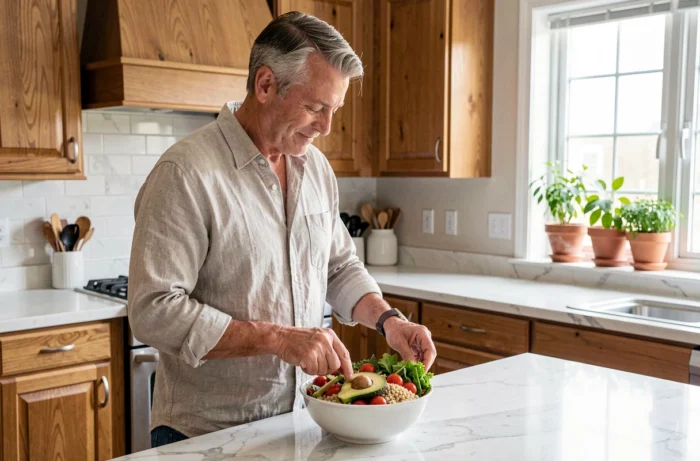
Fundamental recommendations remain stable. Ultra-processed foods are the main modifiable risk factor, ahead of sedentary behavior. However, the 2026 trend emphasizes personalization: adapting one’s diet to one’s microbiome rather than following a generic menu.
A personalized diet based on the microbiome replaces the standard menu. The benefits of a diet rich in fiber, unsaturated fatty acids, and plant foods remain unchanged, but the way they are combined varies from individual to individual.
Gentle physical activity and stress management: the rising exercises
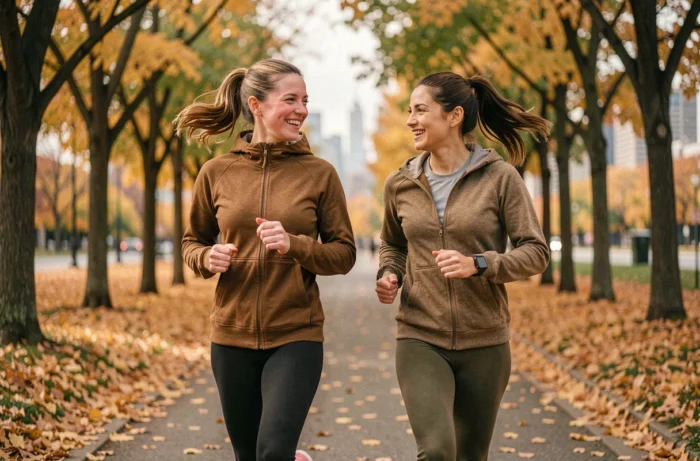
Yoga, pilates, and breathwork are not new. What changes in 2026 is their repositioning: these disciplines are no longer classified under “relaxation” but under structured preventive health.
Thermotherapy (hot-cold alternation) is also on the rise. Cold baths and saunas are no longer niche practices: they are integrated into recovery protocols used by both athletes and individuals suffering from chronic stress.
- Pilates strengthens postural stability, a key factor in fall prevention for the 60-75 year-olds targeted by the new prevention assessments
- Breathwork affects heart rate variability, a marker of resilience to stress
- Thermotherapy stimulates blood circulation and reduces chronic low-grade inflammation
These practices share a common point: they require neither expensive equipment nor prior physical condition. Their accessibility partly explains their growing adoption.
Well-being in 2026 is measured in daily habits, not in one-off performances. The expanded prevention assessments, the structuring of sleep, and the focus on gentle exercises outline an approach where regularity takes precedence over intensity. The extension of the ban on garcinia also reminds us that each trend must be evaluated against available data, not marketing promises.