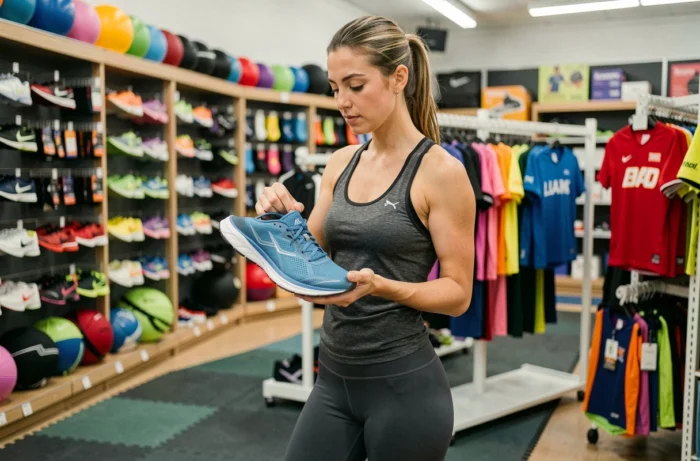
Choosing sports equipment involves technical criteria that most guides gloss over: biomechanical compatibility, regulatory requirements, and the true durability of materials. Choosing sports equipment to match your goals means looking beyond marketing-driven “beginner/intermediate/expert” categories and assessing what the gear actually brings to your training.
Regulatory requirements and repairability of sports equipment
One point comparison guides consistently overlook is the regulatory framework governing the sale of sports equipment. Personal protective equipment (PPE) used in certain sports (climbing, combat sports, cycling) must meet specific European standards. Checking for CE compliance is not a formality—it is a non-negotiable safety requirement.
The European Ecodesign for Sustainable Products Regulation (ESPR), in force since July 18, 2024, sets requirements by product category. Textiles are included in the first European working plan for 2025–2030. The requirements do not yet apply uniformly to all sports equipment, but the direction is clear: durability, traceability, and standardized product information.
Repairability is becoming a practical purchasing criterion. In France, the repair bonus covers sports and leisure items through the network of QualiRépar-certified repairers. Before buying, we recommend checking whether spare parts are available and whether repair services are offered for the equipment in question. Repairable gear that lasts for several seasons costs less than a disposable model that needs replacing every year.
To explore a selection organized by sport and experience level, Ultra Sport’s sports equipment lets you compare technical specifications before making a decision.
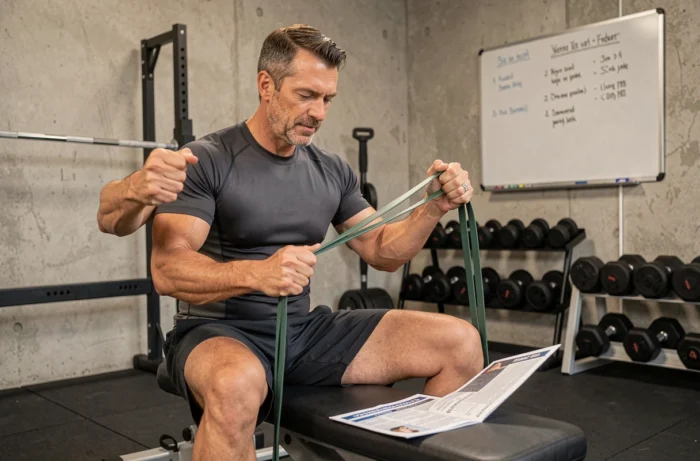
Materials and construction: what makes sports equipment durable
An item’s quality is reflected in its materials, not its list price. Two pairs of running shoes at the same price can have midsoles that differ dramatically in cushioning and energy return.
Fabric weight directly affects abrasion resistance. A technical shirt that is too lightweight for intensive use (team sports on artificial turf, trail running through wooded areas) can wear out in just a few weeks. Conversely, fabric that is too heavy for a running garment can hinder sweat wicking.
Here are the criteria to assess before buying sportswear:
- Fiber composition (recycled polyester, polyamide, elastane) and the proportions used, which determine the fabric’s stretch and lifespan
- Water-repellent or UV-protective treatments, whose effectiveness decreases after a certain number of washes—a limit brands rarely specify
- Flat or bonded seams, which reduce friction in contact areas (underarms, inner thighs, collar)
- Oeko-Tex or GOTS certification for athletes concerned about residual chemicals
For rigid equipment (rackets, poles, protective gear), the type of composite material (carbon, fiberglass, aluminum) affects performance in use. A carbon frame absorbs vibrations better than an aluminum one, but is less tolerant of sudden impacts. The right choice depends on the type of mechanical stress involved in the sport.
Choose sports equipment for your body type, not just your skill level
Skill-based categories (beginner, intermediate, expert) shape the market, but they obscure a decisive factor: the fit between the athlete’s body and their equipment. An experienced trail runner who is 1.90 m tall and weighs 90 kg does not need the same level of cushioning as a runner at the same level who weighs 65 kg.
Shoes are a good example of this mismatch. The drop (the height difference between heel and forefoot), shoe width, and sole stiffness should match the runner’s gait and weight. A higher drop suits heel strikers, while a lower drop encourages a midfoot strike—but requires a gradual transition to avoid tendinopathy.
Adjustability and fine-tuning
Adjustable equipment lasts longer and improves comfort. On a bike, saddle height, setback, and tilt can be adjusted down to the millimeter. On a trail-running pack, the shoulder straps and hip belt should fit the torso without creating pressure points.
Choosing adjustable equipment reduces the risk of injury caused by compensatory posture. Equipment with a fixed geometry forces the body to adapt to the gear, when it should be the other way around.
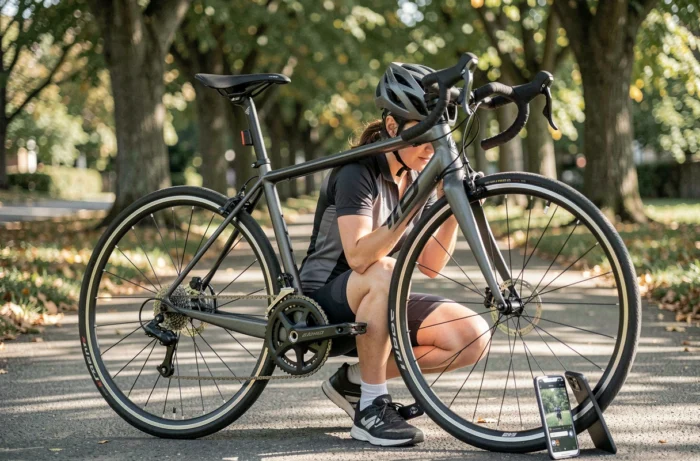
Sports shoes and accessories: technical trade-offs to know
Shoes are often the first major investment, whatever the sport. The most common mistakes are not about brand choice, but about choosing a model that does not suit the surface you train on.
- Road running: responsive cushioning, breathable mesh, and low weight for long runs
- Trail running: multidirectional lugs, a protective toe cap, and a mid-cut upper depending on the terrain
- Indoor sports: non-marking soft-rubber soles and reinforced lateral support for quick changes of direction
- Team sports on grass: molded or screw-in studs, depending on ground firmness and weather conditions
For accessories (protective gear, gloves, eyewear), compliance with safety standards takes priority over design. These standards are listed on the product label or in the instructions.
Connected accessories (GPS watches, power meters) are no substitute for well-chosen basic equipment. They provide additional insight into your training once your main gear is suited to your body and goals.
Choosing sports equipment follows a clear hierarchy: regulatory compliance, fit for your body, material quality, and only then product range. Well-fitted, repairable gear will last longer than a high-end model that is the wrong size.