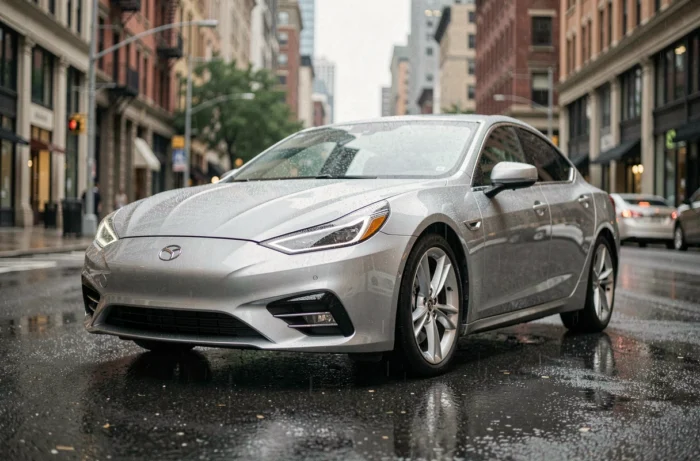
The European automotive market is undergoing a phase of accelerated restructuring. With the rise of electric vehicles, the introduction of the Euro 7 standard, and a slowly renewing vehicle fleet, the automotive news at the end of 2026 combines regulatory disruptions, industrial battles, and open questions for French motorists.
Euro 7 Standard and Batteries: What Changes on November 29, 2026
Most analyses focus on powertrains. The Euro 7 standard, which will apply to new models starting from November 29, 2026, shifts the focus to a less publicized area: battery durability.
For the first time, European regulation imposes specific longevity, durability, and transparency requirements for the batteries of electric and plug-in hybrid vehicles. In practical terms, a manufacturer will have to ensure that the storage capacity remains above a defined threshold after several years of use.
This constraint directly impacts manufacturing costs. The accumulation of standards could increase the prices of entry-level vehicles to the point of making them inaccessible. Car enthusiasts who follow all the news on team-auto-passion.com recognize the scale of the issue: regulation is no longer limited to emissions; it redefines what a manufacturer must guarantee over the entire lifespan of the vehicle.

Electric Car Sales in France: Rapid Growth, Still a Marginal Fleet
The ACEA figures for the period from January to August 2026 show a stark contrast. Registrations of electric vehicles are rising sharply in Europe, while internal combustion engine vehicles have decreased by 18.6% during the same period. France is following this trend with particularly marked growth in electric sales, accompanied by a significant decline in combustion vehicles.
These data warrant cautious interpretation. The ACEA emphasizes that less than 5% of vehicles on the road in Europe are rechargeable, while the catalog offering now exceeds 400 models. The gap between new sales and the actual composition of the fleet remains massive.
For a buyer, this means that the charging infrastructure, delivery times, and residual value of electric models remain difficult variables to anticipate. Field reports vary on this point: some owners observe rapid depreciation, while others see sustained demand in the used market, depending on brands and regions.
Reuse Parts and Automotive Circularity: French Goals
A whole segment of automotive news is flying under the radar of mainstream media. The French automotive sector must now meet quantified circularity objectives.
The available data sets the framework:
- 10% of the mass of end-of-life vehicles processed in 2026 must consist of parts prepared for reuse (excluding batteries and tires)
- This threshold rises to 16% in 2028, which requires treatment centers to invest in selective dismantling
- The traceability of reused parts becomes a competitive issue for aftermarket professionals, not just an administrative constraint
For car enthusiasts who maintain their vehicles themselves or buy used parts, these obligations could improve the quality and reliability of components available in the secondary market. The available data does not yet allow for conclusions about the real impact in terms of price.
Traceability of Parts: An Advantage or a Constraint for the Buyer
Regulation pushes for systematic documentation of each part extracted from an end-of-life vehicle. For individuals, this translates into better visibility regarding the origin and condition of components purchased from scrap yards or specialized platforms.
However, this traceability requirement could increase the operational costs of treatment centers, potentially affecting the final price of reused parts. The balance between affordability and quality assurance remains to be found.
Paris Motor Show 2026: A Geographical Shift in the Industry
The Paris Motor Show, scheduled for October 2026, illustrates the geographical tensions within the automotive industry. The event remains a major appointment for brands seeking to establish their presence in the European market.
The absence of certain historical manufacturers raises fundamental questions about the evolution of commercial strategies in Europe. Participation decisions reflect budget reallocations and differing market priorities among groups.
Renewal of the Vehicle Fleet: The Structural Brake That New Models Do Not Resolve
Each week brings new announcements: revamped Hyundai Tucson, more powerful BMW X3, Opel concepts. These announcements fuel automotive passion, but they mask a fundamental problem.
The European vehicle fleet is aging. The majority of vehicles on the road are neither electric nor recent. As long as the renewal rate remains so low, the environmental gains associated with new powertrains will take years to materialize in overall emissions statistics.
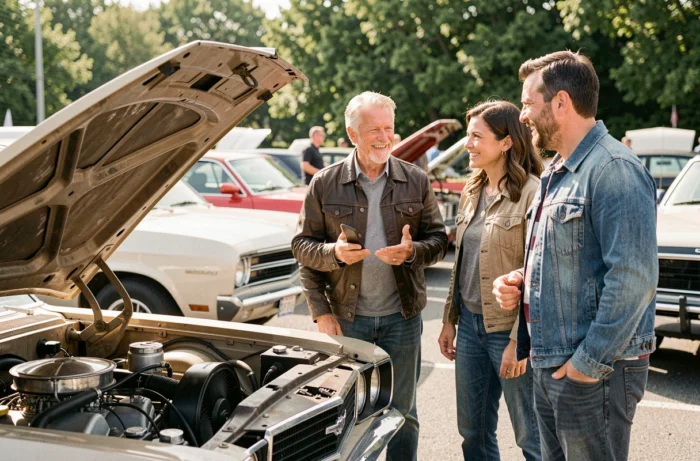
Used internal combustion vehicles remain the dominant segment for French motorists. Spare parts for older models constitute a market in their own right, and purchase assistance schemes (eco bonus, conversion premium) are not sufficient to accelerate the shift.
The supply of new electric cars far exceeds the market’s capacity to absorb these volumes, and this tension between production and actual adoption remains the defining feature of automotive news at the end of 2026.